If You’re Spending This Much, Buy the One That Feels Like a Real Piano.
Affiliate disclosure: This post may contain affiliate links, which means I may earn a small commission if you choose to buy—at no extra cost to you. I only recommend instruments I’d feel good about putting in my own studio.
The short answer
If you’re shopping for a digital piano under $2,000 and you want something that actually trains real technique (not “keyboard fingers”), my recommendation is simple:
The best digital piano under $2,000: Yamaha P-525
This is the only instrument in this price lane that I consistently feel good about recommending without caveats. I’m picky about what I recommend at this price point because the “feel” matters long-term. The Yamaha P-525 is the digital piano I personally use for recording and for concert performances when I need a portable instrument—because it holds up musically, not just technically.
Why?
Because it’s built around what matters most for long-term playing:
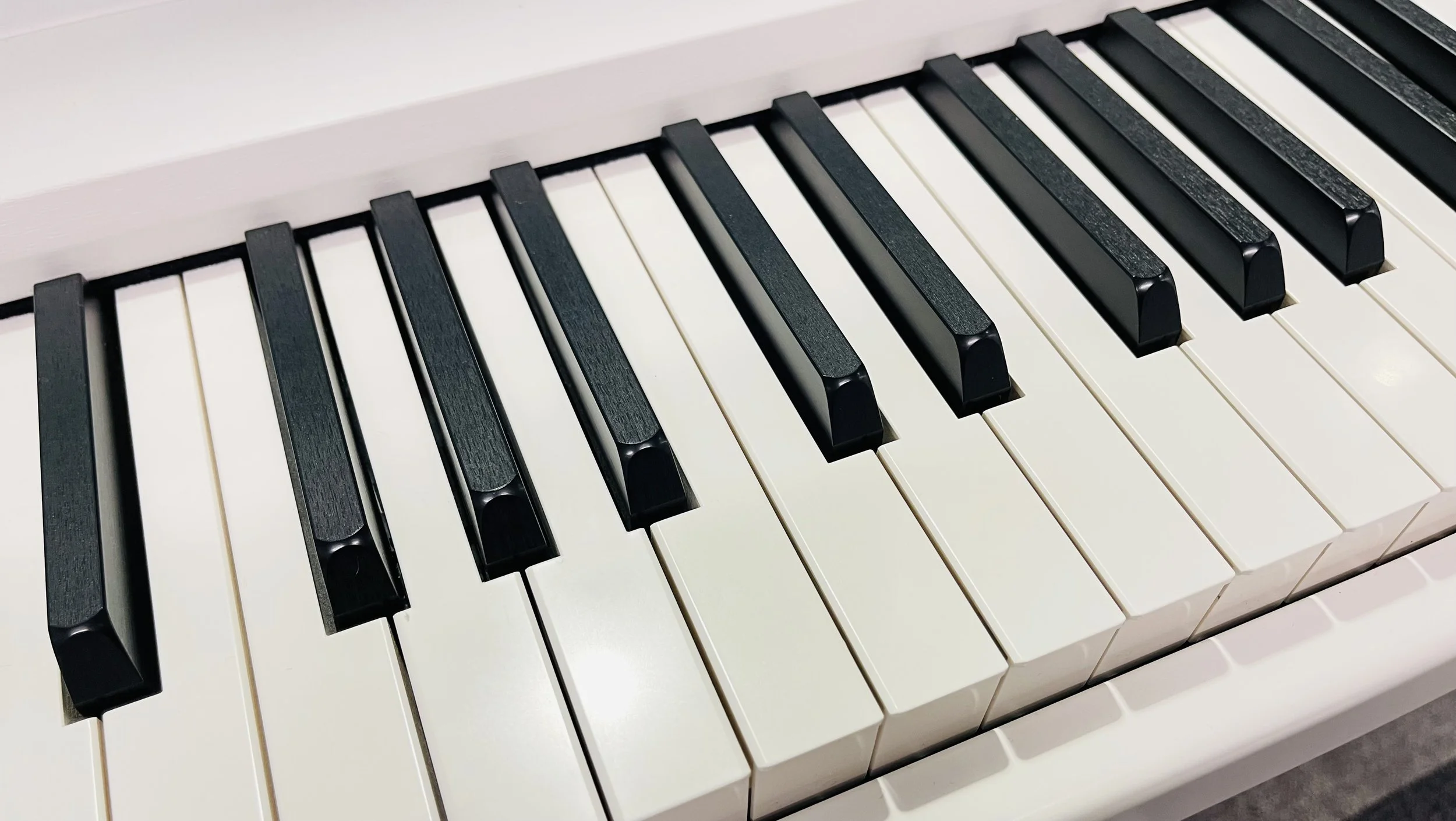
Graded hammer action (so the touch responds like an acoustic)
Wooden keys (for a more stable, piano-like feel and control)
A playing experience that supports tone, dynamics, and nuance—the stuff that makes practice feel rewarding instead of frustrating
If you’re buying for a serious student, a committed adult beginner, a serious pianist who needs a portable instrument, or a family that wants one instrument that can last for years, this is the one.
→ Check current price + bundle options for the Yamaha P-525
Why I’m picky at this price point
A lot of digital pianos look impressive on paper, but if the action feels too light or too “springy,” players compensate with tension or sloppy control—and that shows up later as:
uneven sound
limited dynamic range
hand fatigue
“I don’t like how it feels” avoidance (aka the silent practice-killer)
At this budget, you’re not just buying a keyboard. You’re buying a training environment.
And the Yamaha P-525 creates a not just the right space to train but also a musical environment I trust.
Who the Yamaha P-525 is best for
Adult beginners who want the real experience
If you’re learning later in life, you don’t want a “starter instrument” that you secretly dislike. You want something that makes you want to sit down.
Kids who are progressing quickly (or are naturally sensitive to touch)
This is a great choice if your child is the type who notices details, has strong musical instincts, or is moving toward more expressive playing.
Families who want one instrument that won’t need replacing
If you’re already spending in this range, the cheapest long-term option is usually: buy once, cry once.
What to buy with it (the “playing actually happens” setup)
These are the accessories that turn a piano purchase into an actual routine.
1) Adjustable bench (my “buy once” pick)
Bench height matters more than most people realize. If your elbows are too high or too low, the hands tense up and everything feels harder.
My pick: Liquid Stands Adjustable Piano Bench
I use a Liquid Stands piano stand myself and it’s been excellent, which is why I feel good recommending their bench as well.
2) Foot support + seating (my studio pick)
In my atelier, I use the Beefurni stool because it solves two problems at once: it functions as a bench and a foot support.
For younger students (or anyone whose feet don’t comfortably reach the floor), having something stable under the feet immediately improves posture and ease—less wiggling, less gripping, calmer hands. And because this stool is sturdy and simple, it works beautifully in a small space: I can use it as the seat, or slide it forward as a footrest depending on the student’s height.
If you’re building a home setup and want one piece that can adapt as your child grows (or that can flex between siblings), this is a practical, low-drama choice.
3) Headphones (atelier pick):
In the atelier, I keep JVC over-ear headphones on hand because they make practice feel private and immersive. Over-ear is ideal for lessons and home practice: it reduces distractions, keeps sound contained, and helps players hear tone and dynamics more accurately.
4) A piano lamp
Good lighting removes friction and makes practice feel like a ritual, not a chore.
Quick questions people always ask
“Do wooden keys matter?”
If you care about the feel of playing and want an instrument that supports nuance, wooden keys can absolutely matter. They tend to feel more stable and piano-like, especially as your touch becomes more refined.
“Is graded hammer action necessary?”
If your goal is real piano playing: yes. It teaches control and supports expressive sound.
“Should I just get something cheaper first?”
If you truly don’t know whether you’ll stick with it, starting cheaper can be fine.
But if you already know you’re committed (or you’ve got a motivated child), it’s often better to buy the instrument that makes playing feel good from day one.
If you’re local, I’ll help you choose the right setup
If you’re in Arlington or Potomac Shores and want help getting the best results from your purchase, book a trial lesson. I’ll help you:
set the bench height correctly
choose the best headphone/pedal setup for your home
build a simple first routine so the piano doesn’t become expensive furniture
→ Book a Trial Lesson (link)
Related reading
Bottom line
If you’re spending up to $2,000 and you want the most piano-like playing experience in that range, the Yamaha P-525 is my pick.